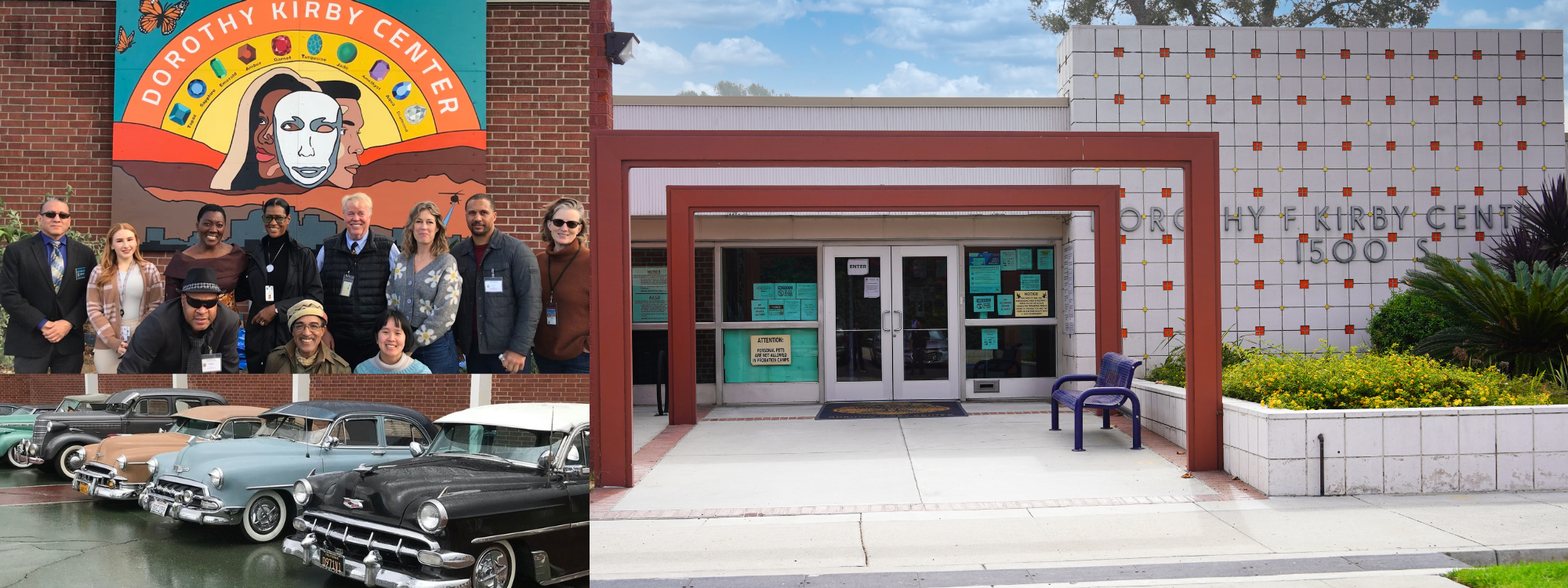
Dorothy Kirby Center (DKC), formerly Las Palmas School for girls, was founded by Ms. Dorothy Kirby in 1961. In 1976, it became co-educational and renamed to Dorothy F. Kirby Center. DKC is a Residential Treatment Center offering a secure, therapeutic environment where multiple agencies, including Probation, DMH, LACOE and Juvenile Court Health Services, work collaboratively. The campus has living units with up to 10 beds, plus facilities for school, recreation, dining, administration, and chapel. DKC provides group living, individualized schooling, health services, and intensive mental health programs. The center includes DKC- (closed suitable placement) for males and females, DKC-Camp for females, and DKCSecured Youth Treatment Facility (SYTF) for females. In addition, two Hope Centers (male and female) are onsite to help de-escalate youth with acute behavioral issues.
Dorothy Kirby Center (DKC) DKC is the only secured treatment facility in Los Angeles County, offering specialized care for adolescents with certain diagnosis coupled with emotional and behavioral challenges. Our multidisciplinary team consists of partner agencies (DMH, JCHS, LACOE, Education Services), sworn DPOs, along with our treatment clinical team. Our clinical support team is our Treatment and Counseling Unit that consists of Deputy Probation Officers who are Associate Clinical Social Workers/Marriage and Family Therapists under the supervision of Licensed Clinical Social Workers (LCSW)/Licensed Marriage and Family Therapist (LMFT). DMH clinicians and psychiatrist provide therapeutic interventions and oversees individual and group therapy, medication support, crisis intervention, and case management. The T & C DPOs also facilitate individual therapy and substance abuse education.
DKC-Camp is part of the larger Dorothy Kirby Center (DKC). It houses female youth with a disposition of Camp Community Placement (CCP). The “Camp” designation often refers to the structured, rehabilitative environment that resembles other juvenile camps in the county but focuses heavily on therapeutic interventions rather than just confinement.
DKC-SYTF under California’s juvenile justice realignment (SB 823), DKC also serves as a Secure Youth Treatment Facility (SYTF) for female youth who have committed more serious offenses but still require intensive mental health care. The SYTF model represents California’s commitment to juvenile justice reform, focusing on rehabilitation, mental health treatment, and community reintegration. DKC-SYTF combines the therapeutic strengths of the Dorothy Kirby Center with enhanced security to address the needs of female youth who require more intensive supervision.
DKC plays a crucial role in the juvenile justice system by offering an alternative to incarceration that prioritizes mental health treatment, personal growth, and rehabilitation. By providing individualized care and supportive services, DKC helps justice-involved youth build the foundation for a better future, ultimately benefiting both the youth and the broader community.
DKC offers educational, therapeutic, and vocational programs to support youth rehabilitation, including but not limited to:
- Arts & Culture: Spirit Awakening, Unusual Suspects, Versa Style Dance, Theater of Hearts, Jail Guitar Doors, Give a Beat, Homeboy Arts, Mural Design
- Vocational Training: LA Trade Tech, East Los Angeles College
- Life Skills: Seeking Safety, Boyle Heights Conservatory, Healthy Relationships
- Mentorship: ARC’s Credible Messenger Program, Chaplains Eagle. Therapy: Substance Abuse Counseling, (DBT), Mental Health Services. Religious
- Bible Studies. Physical Activities: Large Muscle Exercise, Rams Clinic, Cottage Sports
- Special Events: Annual Co-Ed Prom, Car Show, Harvest Festival
DKC Visitation:
Family visitation is a vital component of the rehabilitation process and is strongly encouraged by the Probation Department. Through this process youth are provided an opportunity to engage in conversations under the supervision of Camp Staff. Once a youth arrives in Camp they will be requested to provide a list of relatives including mother, father, legal guardians, and grandparents. During the orientation process each youth is informed of the facility’s visitation schedules, rules, and procedures, and is provided a Rules and Rights Handbook, that also stipulates visitation rules and procedures. Family may visit on Sunday from 1:00 PM-4:00 PM.
Please note:
- Approved visits are limited to parents, legal guardians, or persons standing in loco parentis, grandparents and children of youth. A legal guardian must bring verification to the facility to be approved.
- Visits by persons other than those listed above are considered Special Visits, and require prior permission, that may be obtained via a court, DPO, or facility management.
- Youth’s minister, priest, rabbi, or other authorized religious chaplain may visit on weekdays with coordination from the appropriate religious facility coordinator. They are not allowed to visit during regular visiting hours this is considered a Special Visit.
- All visitors must be at least 21 yrs. of age, unless authorized by a court order, which would then be classified as a special visit and would require permission as listed above.
- Visitors must bring a valid government issued photo identification to be cleared to enter the facility and are not permitted to bring any items other than one (1) key on a single key ring and their identification.
- All visitors are to be appropriately dressed and must wear closed toe shoes.
- Visitors are not permitted to bring personal items to youth.
- Once verified all visitors are subject to search. Note: Visiting hour searches are conducted by narcotic detection canines.
Population: 58
Age 12 – 14: 3
Age 15 – 18: 54
Age 19 – 21: 1
Information last updated January 06, 2026


